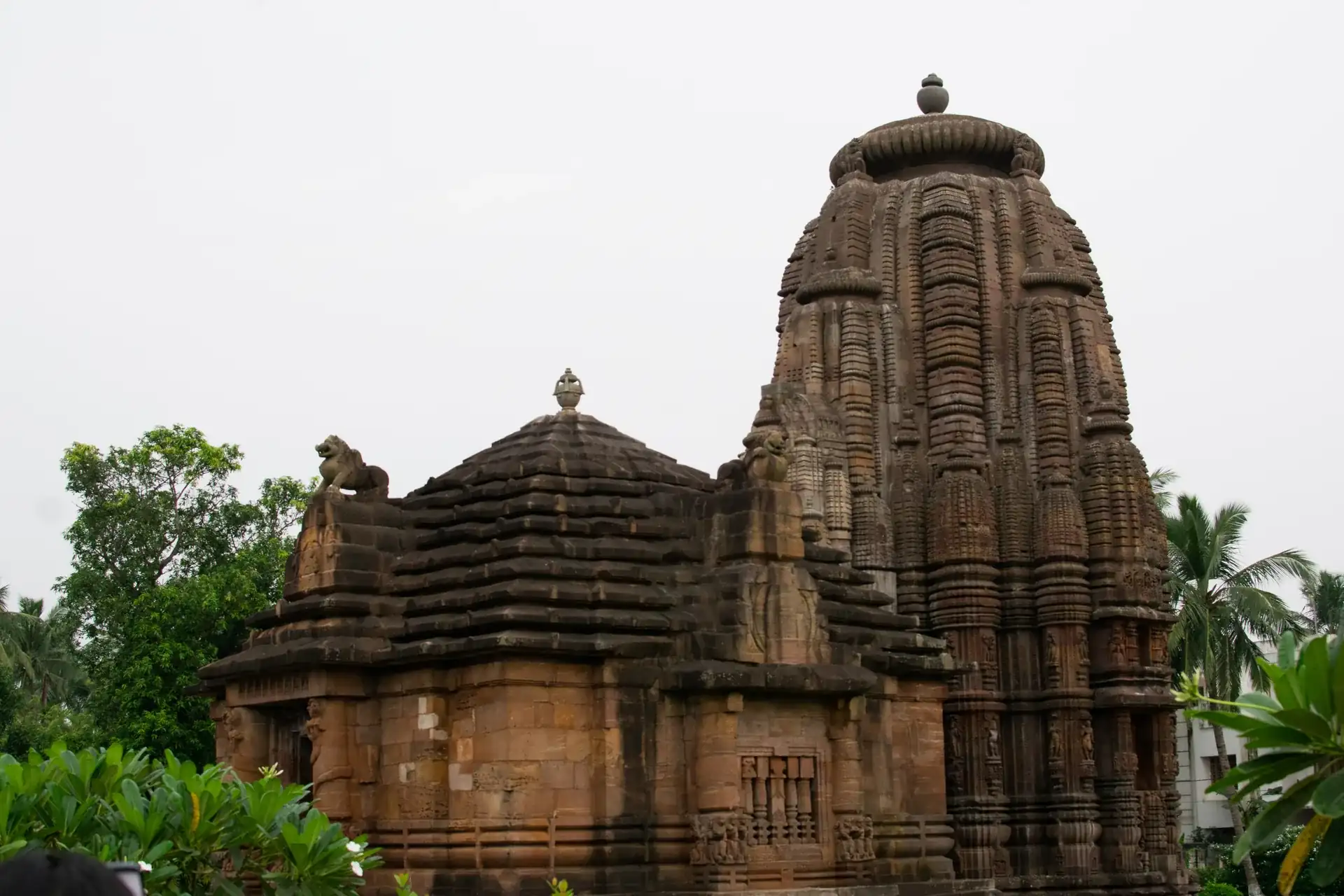
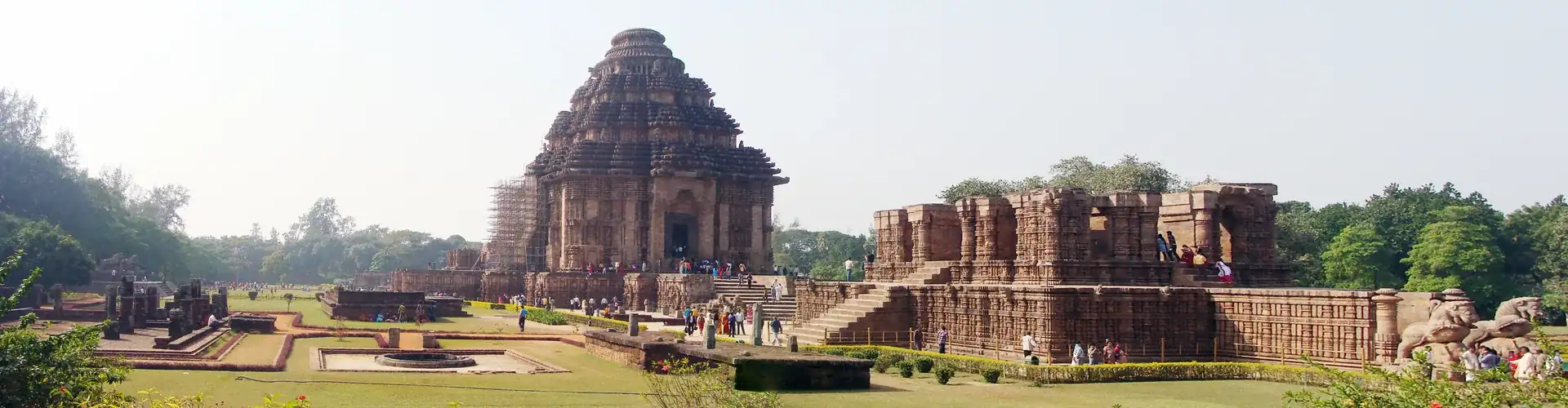
Rajarani Temple, built in the 11th century by King Indraratha of the Somavamshi dynasty, is one of Bhubaneswar's most celebrated architectural marvels. Known as the "Temple of Love," it's famous for its exquisite erotic sculptures depicting romantic couples (mithuna) in various poses, similar to the temples of Khajuraho.
The temple gets its name from the local Rajarani sandstone used in its construction, which gives it a distinctive red-gold hue that shifts dramatically with sunlight. Unlike most Odishan temples, Rajarani has no presiding deityits sanctum is emptymaking it purely an architectural monument celebrating art and love.
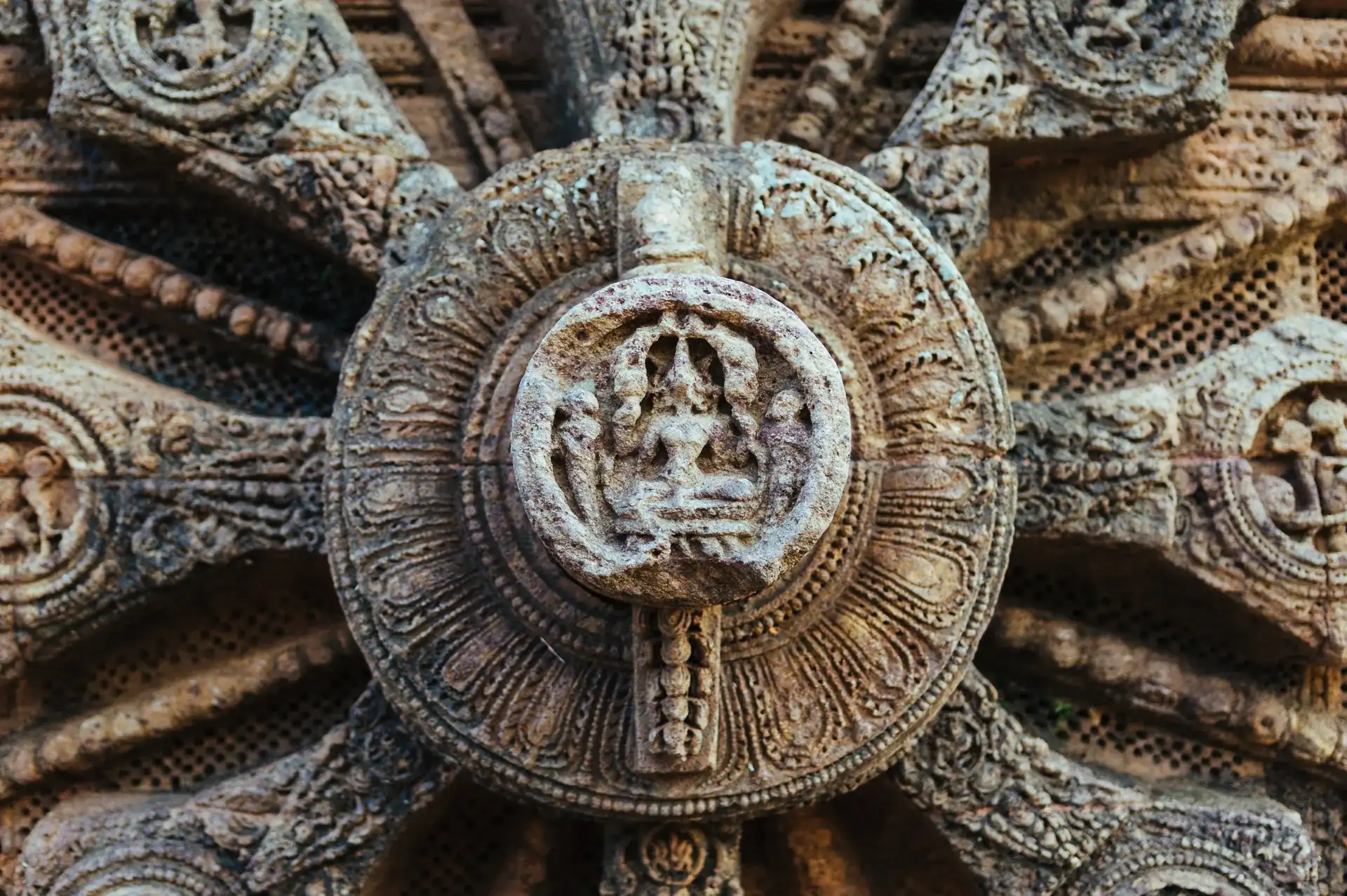
The temple walls are adorned with intricate carvings of celestial nymphs (nayikas), romantic couples, and mythological figures. The eight dikpalas (guardians of directions) carved on the outer walls are considered masterpieces of Kalinga sculpture. Built in the Pancharatha style, the temple's curvilinear shikara rises to 17.9 meters with clustered subsidiary towers that create a silhouette compared to Khajuraho temples.
Every January, the temple hosts the renowned Rajarani Music Festival, featuring classical music and dance performances against the illuminated backdrop of this 11th-century masterpiece.