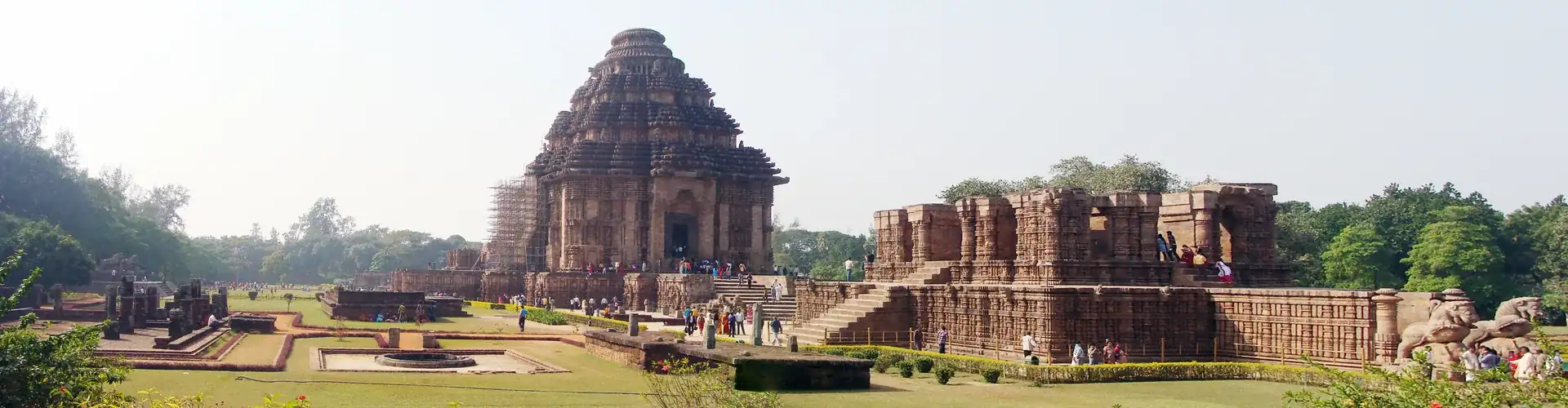
The Mukteswar Temple stands as one of the most exquisite and historically significant Shaivite shrines in the Indian subcontinent. Dedicated to Lord Shiva, it was built around 950\u2014975 CE during the reign of King Yayati I of the Somavamshi dynasty - the same dynasty responsible for establishing Bhubaneswar as the "Temple City of India" within the sacred zone of Ekamra Kshetra.
Though modest in scale - the main shikara (sanctum tower) rises approximately 35 feet - the Mukteswar Temple is architecturally monumental. Art historians regard it as the pivotal transition point in the evolution of Kalinga temple architecture: the culmination of early experimental forms and the direct precursor to the towering grandeur of the Lingaraj Temple (11th century).
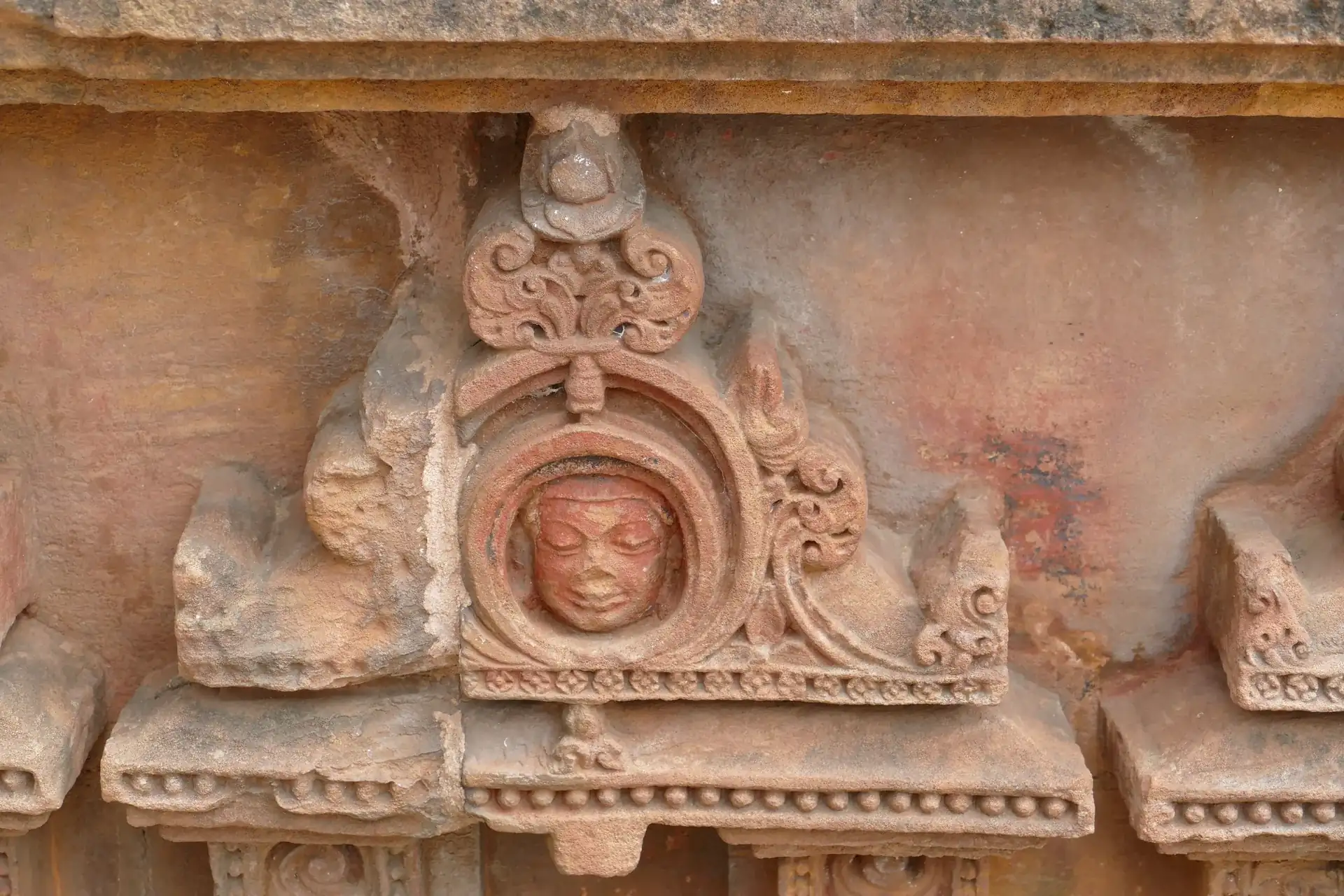
The temple is constructed entirely of red sandstone, whose warm ochre hues shift dramatically with the angle of sunlight - making it one of the most photographed structures in Odisha. The iconic torana (arched gateway) is the only standalone torana in Odisha and bears unmistakable influences of Buddhist architectural traditions - a remarkable confluence of faiths frozen in stone.
The inner sanctum houses a Swayambhu Linga of Lord Shiva and smaller images of Natraja, Ganesha, and the Saptamatrikas (seven divine mothers). The sacred Marichi Kunda tank on the eastern side is believed to cure infertility and is central to ritual observance.