Odisha Travel Expert Insights / Part 01
The Archaeological Wonder: Ancient Monasteries and Relic Stupa
Lalitgiri (alongside Ratnagiri and Udayagiri) is recognized by international historians as a core component of the legendary "Puspagiri Mahavihara," an ancient Buddhist seat of higher learning mentioned by Chinese pilgrim-monk Xuanzang (Hiuen Tsang) in the 7th century CE. Excavations by the Archaeological Survey of India (ASI) revealed that Lalitgiri was occupied continuously from the Maurya and Shunga periods through the Bhaumakara and Somavamshi dynasties, bridging Hinayana, Mahayana, and esoteric Vajrayana Buddhist traditions.
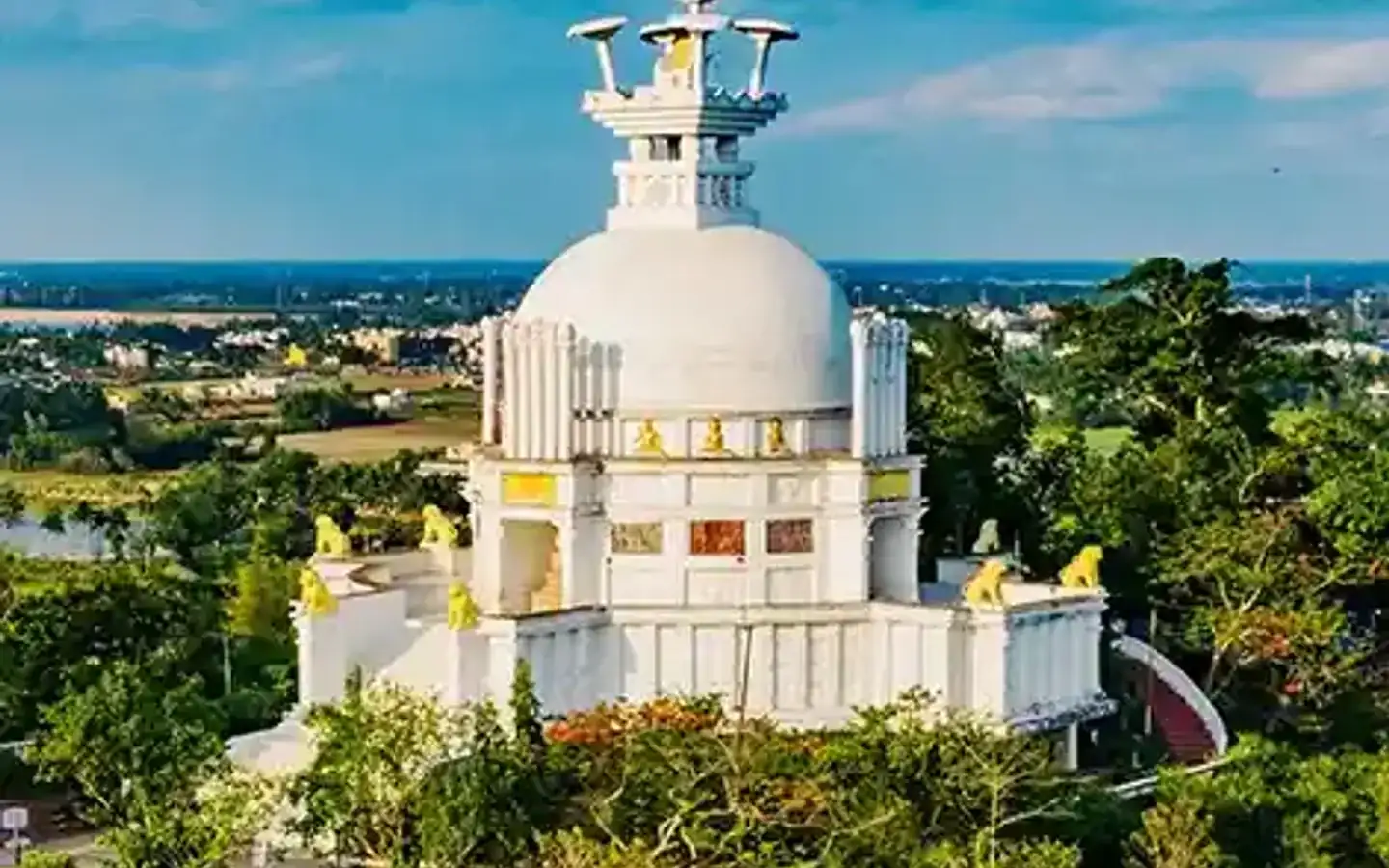
The centerpiece of the outdoor archaeological park is the Maha Stupa, situated atop a gentle hillock. Constructed from massive ancient bricks and sandstone slabs, it yielded the priceless stone, silver, and gold reliquary caskets. Surrounding the stupa are remains of four massive monasteries (Viharas), an apsidal chaityagriha (prayer hall), and votive stupas carved with inscriptions in early Brahmi script. Walking among these centuries-old brick foundations offers a profound sense of antiquity and spiritual stillness.
Odisha Travel Expert Insights / Part 02
Inside the ASI Site Museum: Sculpture Masterpieces and Relics
In late 2018, a state-of-the-art on-site museum was opened at Lalitgiri to display the extraordinary sculptures discovered during excavations. The museum features six spacious, well-lit galleries exhibiting colossal khondalite stone statues of the Buddha in Bhumisparsha and Dharmachakra mudras, life-sized representations of Boddhisattvas Avalokiteshvara, Manjushri, and Jambhala, and feminine deities including Prajnaparamita, Tara, and Aparajita.
The crown jewel of the museum is the dedicated, high-security central gallery housing the sacred relic caskets. Preserved in a specialized argon-lit glass showcase, the nested containers can be viewed up close by pilgrims and visitors. PLEASE NOTE: The ASI Site Museum is strictly CLOSED every Friday in accordance with central archaeological rules, although the outdoor excavation grounds remain open. Plan your visit between Saturday and Thursday to ensure full access.
Odisha Travel Expert Insights / Part 03
Travel Planning from Puri: Highway Route and Circuit Coordination
Lalitgiri is situated roughly 115 kilometers northeast of Puri in the Birupa river basin of Jajpur district. Driving there in a private AC cab takes approximately 2.5 hours via the smooth four-lane NH-16 highway past Bhubaneswar, Cuttack, and the Chandikhol junction before turning east toward Balichandrapur. The road is well-paved and suitable for comfortable travel in sedans and SUVs alike.
If you wish to experience the full Buddhist Diamond Triangle, Ratnagiri lies 14 kilometers further north, renowned for its gorgeously sculpted chlorite monastery doorway and thousands of votive stupas, while Udayagiri lies 10 kilometers to the east with its massive rock-cut stepwell and excavated monastic terraces. At PuriTaxi, our Diamond Triangle day package coordinates all three sites in a logical, fatigue-free sequence, allowing you to immerse yourself in one of the world’s greatest open-air Buddhist heritage circuits.