Time
How long to allow
One and a half to two hours. Udayagiri has the main caves, Khandagiri the hilltop temple; both involve climbing.
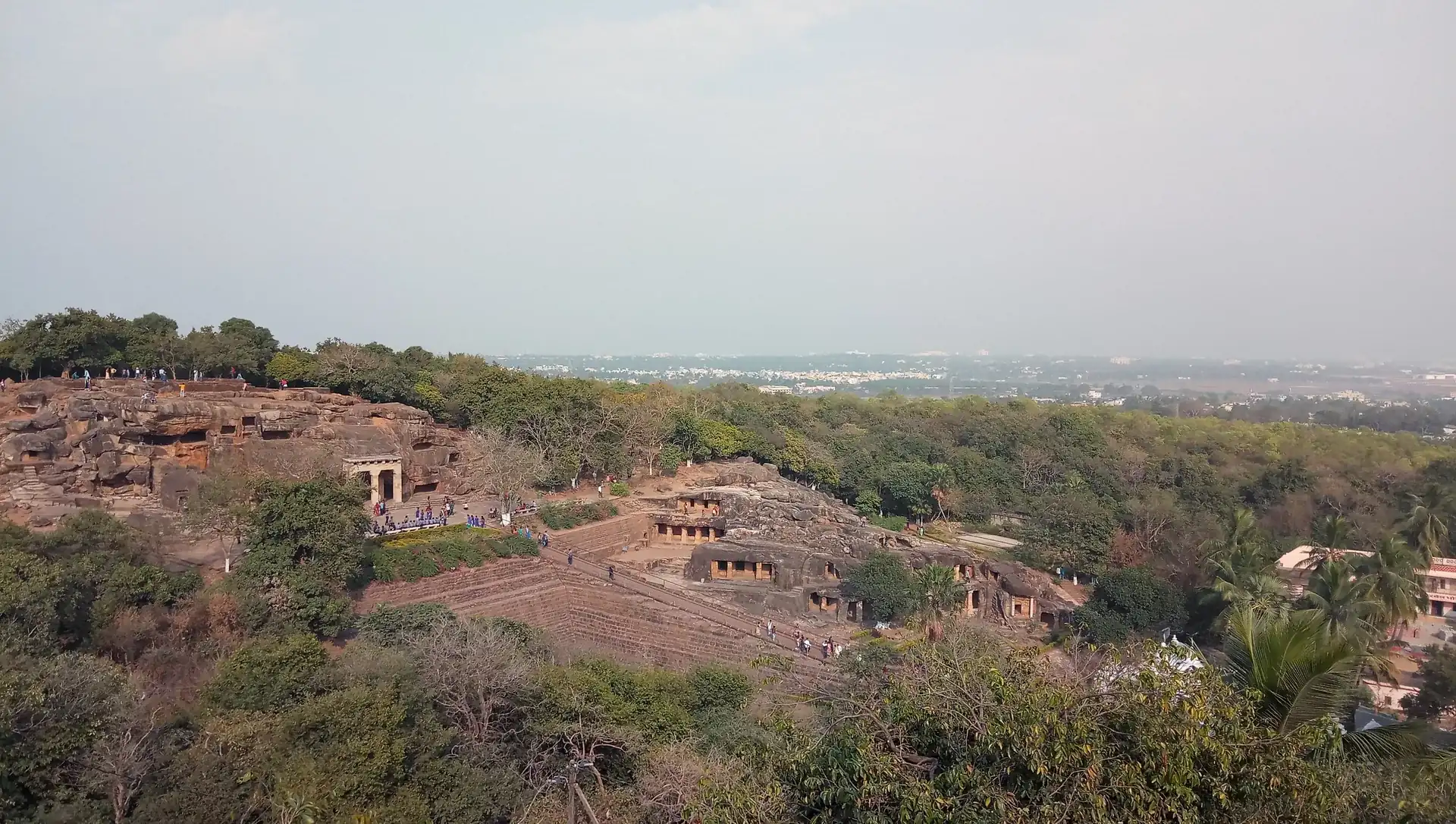
Bhubaneswar / Ancient heritage
A visit to carved rock, ancient spaces and a different chapter of Odisha’s heritage. Choose how much of Khandagiri and Udayagiri suits your group’s time and walking comfort.
Confirm vehicle availability, inclusions and total quote before booking
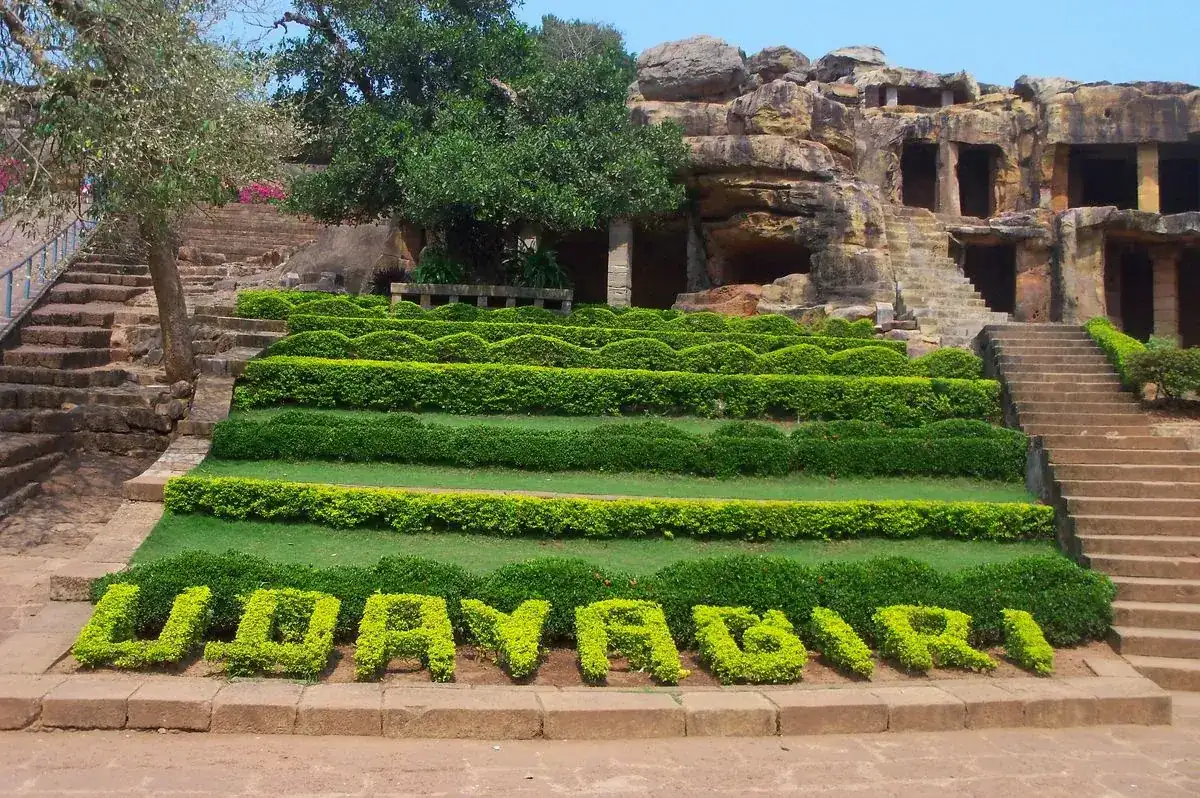
Bhubaneswar / Ancient heritage
A visit to carved rock, ancient spaces and a different chapter of Odisha’s heritage. Choose how much of Khandagiri and Udayagiri suits your group’s time and walking comfort.
One and a half to two hours. Udayagiri has the main caves, Khandagiri the hilltop temple; both involve climbing.
Visiting from Puri · Full-day roundtrip
Full-day fixed-fare roundtrip from Puri to pair with the Bhubaneswar-start option shown below.
Round trip · 140 km · 8 hours
Puri → Bhubaneswar → Puri
Included on every car: Toll charges · Parking charges · Driver allowance
Already in Bhubaneswar?
For visitors staying in Bhubaneswar: a day in the city by car, with Khandagiri and Udayagiri as one of the stops.
Round trip · 8 hours
Included on every car: Toll charges · Parking charges · Driver allowance
Khandagiri and Udayagiri Caves are twin hill cave complexes in Bhubaneswar, famous for ancient Jain caves, rock-cut architecture, Rani Gumpha, Hathi Gumpha inscription and city views.
Odisha Tourism identifies Udayagiri as an ASI-managed ticketed monument. Establish admission and current access for each hill separately rather than applying one summary to the entire visit. Visitors should verify current entry fee, ticketing and access rules locally before visiting because tourism/ticketing details may change.
Located on the outskirts of modern Bhubaneswar, the site is divided into two adjacent hills: Udayagiri (Hill of Sunrise) and Khandagiri (Broken Hill). While Udayagiri features 18 caves, Khandagiri has 15. Together, they form a sprawling complex of ancient heritage that dominates the landscape.
These caves are crucial for understanding the history of the Kalinga empire. They serve as physical evidence of the strong Jain influence in the region during ancient times and the architectural prowess of Kalingan artisans.
The caves were carved to provide shelter for Jain ascetics. The patronage of King Kharavela, a prominent ruler of Kalinga, was instrumental in their creation, intertwining Jain heritage deeply with the local history of Odisha.
Among the numerous caves, Rani Gumpha (Queen's Cave) is the largest and most elaborate. Hathi Gumpha (Elephant Cave) is famous for its inscription, and Ganesh Gumpha features beautiful carvings. Visitors should also look out for Ananta Gumpha and Vyaghra Gumpha.
The Hathi Gumpha inscription is a remarkable 17-line text carved in the Brahmi script. It provides a year-by-year account of King Kharavela's reign, his military conquests, and public works, making it an invaluable primary source for historians.
The architectural style of the caves is distinct, featuring double-storeyed structures, arched doorways, and detailed friezes depicting royal processions, hunting scenes, and religious motifs. The artistry highlights the skill of early Indian craftsmen.
Beyond the historical significance, the hilltop offers panoramic views of Bhubaneswar city. The elevation provides excellent opportunities for photography, especially during sunrise and sunset.
Check current access and the ticket-counter session for the actual hill you intend to visit. A general destination listing does not establish identical admission or access for both hills. Similarly, entry fee information can vary; it is best to verify the latest entry fee at the official counter.
The winter months, from October to February, are the best time to visit due to the pleasant weather. It is advisable to explore the caves during the morning or late afternoon to avoid the intense midday heat.
A typical visit takes about 1.5 to 2.5 hours. This allows enough time to comfortably walk through the major caves on both hills, read the informational plaques, and take photographs.
The caves are easily accessible from all parts of Bhubaneswar via local transport or cab service. They are relatively close to the Bhubaneswar Airport and railway station. Visitors coming from Puri can reach the site by booking a taxi via the highway.
Visitors often combine their trip with other prominent heritage sites in Bhubaneswar, such as Lingaraj Temple, Mukteswar Temple, Rajarani Temple, and Dhauli Shanti Stupa. Nandankanan Zoo is also a popular nearby attraction.
A recommended route is to start from your hotel in Bhubaneswar, visit Khandagiri-Udayagiri Caves in the morning, proceed to Lingaraj Temple or Mukteswar Temple, and conclude the day at Dhauli or the State Museum.
Carry water, wear comfortable walking shoes, and be prepared for uneven steps. Families should supervise children closely near edges, and students will find the historical plaques highly educational.
Timings and entry fee information can vary across tourism/ticket references. Use Odisha Tourism as a trust reference, but still advise visitors to confirm current timing/ticket status locally before visiting. Ticket counters, parking arrangements and access may change due to maintenance, conservation work, crowd management or government tourism upgrades.
| Place | Khandagiri Udayagiri Caves |
| Also known as | Udayagiri and Khandagiri Caves / Jain caves of Bhubaneswar |
| Location | Khandagiri area, Bhubaneswar, Odisha |
| Known for | Jain caves, rock-cut architecture, Rani Gumpha, Hathi Gumpha inscription, hilltop views |
| Historical association | Ancient Jain heritage linked with Kalinga history |
| Timings | Odisha Tourism lists 6:30 AM to 7:30 PM; please confirm current access/ticket counter timing before visiting |
| Entry fee | Verify latest entry fee at official/local counter before visiting |
| Parking | Available as per Odisha Tourism listing |
| Visit duration | 1.5 to 2.5 hours normally |
| Best time | Morning or late afternoon; October to February for comfortable weather |
| Suitable for | Heritage lovers, families, students, photographers, history travellers |
| Difficulty | Moderate walking and steps; not ideal for rushed elderly visitors in hot afternoon |
| Nearby places | Lingaraj Temple, Mukteswar Temple, Rajarani Temple, Dhauli Shanti Stupa, Nandankanan Zoo, State Museum |
| Suggested route | Bhubaneswar hotel → Khandagiri-Udayagiri Caves → Lingaraj Temple / Mukteswar Temple → Dhauli or State Museum depending on time |
Planning to include Khandagiri-Udayagiri Caves in a Bhubaneswar sightseeing day? Explore related Bhubaneswar sightseeing options.
The Odisha Tourism account distinguishes Udayagiri’s ASI-managed ticketed monument from the Khandagiri hill. Do not use its general essentials summary as proof that both are free or follow one admission arrangement. Ask about each intended entrance and permitted area, and choose a walking route the group can manage.
| Heritage focus | Why it is a distinct stop |
|---|---|
| Hathigumpha | The inscription associated with Kharavela gives this cave a historical focus distinct from decorative carving. |
| Rani Gumpha | The double-storeyed composition and carvings offer an architectural focus. |
| Khandagiri hill | Choose its own named caves and access plan rather than assuming it is covered by the Udayagiri ticket. |
This Bhubaneswar Jain-cave destination is different from Buddhist Udayagiri in the Diamond Triangle circuit. Give the complete destination name when arranging transport. A photograph or the single word Udayagiri is not a precise pickup or visit instruction.
An interpretation-focused visit needs time to read displays and study permitted details. A shorter outing can select one hill or fewer stops. Establish any professional guide independently, and follow conservation directions rather than assuming a cave entrance or a hilltop viewpoint is always accessible.
Reviewed 1 October 2026. Linked sources support the specific statements above; current admission, assistance and operator availability still need the actual responsible arrangement.
Puri specialists · Thoughtfully planned journeys
The Puri-origin Golden Triangle circuit and the two directional sightseeing transfers serve different pickup and final-drop plans.
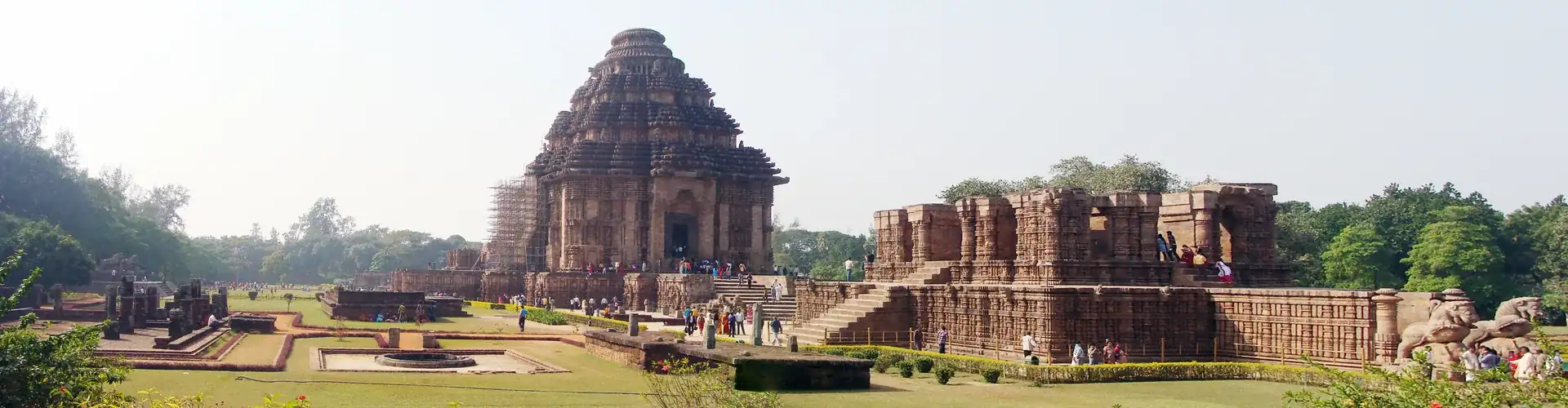
For a selected Konark and Bhubaneswar circuit
One day from Puri: Konark Sun Temple, Chandrabhaga Beach and Ramchandi Temple, then sightseeing in Bhubaneswar, and back to Puri.
Puri → Konark → Bhubaneswar → Puri
From ₹3,200 · Dzire, Etios
Explore Odisha Golden Triangle from Puri →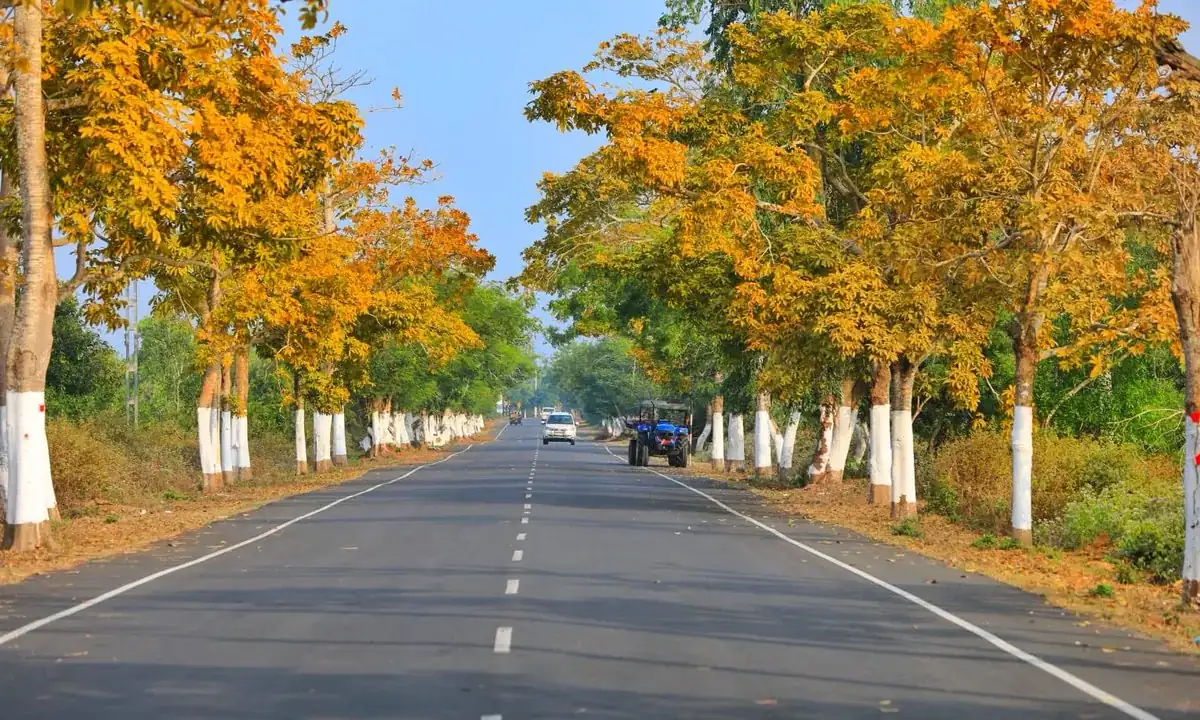
For arrivals with room for a Sun Temple visit
From Bhubaneswar Airport to your Puri hotel, with Konark Sun Temple and Chandrabhaga Beach on the way: about 108 km, a six-hour trip.
Bhubaneswar Airport → Konark → Chandrabhaga Beach → Puri
From ₹2,300 · Dzire, Etios
Explore Bhubaneswar to Puri via Konark →
For checkout day with time to explore
From your Puri hotel to Bhubaneswar, with the Sun Temple at Konark on the way: about 100 km, a five-hour trip.
Puri → Konark → Bhubaneswar
From ₹2,500 · Dzire, Etios
Explore Puri to Bhubaneswar via Konark →Common questions about visiting Khandagiri Udayagiri Caves.
The caves are located on twin hills in the Khandagiri area of Bhubaneswar, Odisha.
Yes, Khandagiri and Udayagiri are two separate, adjacent hills featuring different cave complexes, though they are usually visited together.
Odisha Tourism lists the timing as 6:30 AM to 7:30 PM, but visitors should verify current timings at the local ticket counter before visiting.
One and a half to two hours. Udayagiri has the main caves, Khandagiri the hilltop temple; both involve climbing.
The visit involves walking, steps and uneven stone. Ask about the actual permitted approach and assistance needed by your group; this guide does not certify universal accessibility.
Choose the caves as a named priority in the city plan. Allow for the actual walking route and keep other visits optional; combining every city attraction is not guaranteed.
