Odisha Travel Expert Insights / Part 01
The Miracle of Mangalajodi: Conservation in Action
Mangalajodi is celebrated worldwide as a conservation model where local human welfare and ecological preservation flourish hand in hand. In the late 1990s, the wetland was plagued by rampant poaching, with tens of thousands of migratory waterfowl poisoned or trapped annually for illegal commercial meat markets. Through dedicated intervention by environmental organizations and local village elders, a remarkable psychological shift took place: former poachers formed the Mahavir Pakshi Suraksha Samiti (Bird Protection Committee), renounced hunting, and channeled their intimate knowledge of bird habits into eco-tourism.
Today, those same former hunters are among the finest field naturalists in South Asia. When you embark on a boat safari at Mangalajodi, your boatman and guide will point out camouflaged bitterns in the reeds, differentiate between eclipse-plumage waders, and steer you silently into prime photographic angles without stressing the wildlife. By visiting Mangalajodi, your travel directly subsidizes rural livelihood alternatives that keep this wetland sanctuary flourishing.
Odisha Travel Expert Insights / Part 02
The Silent Boat Safari: What to Expect on the Water
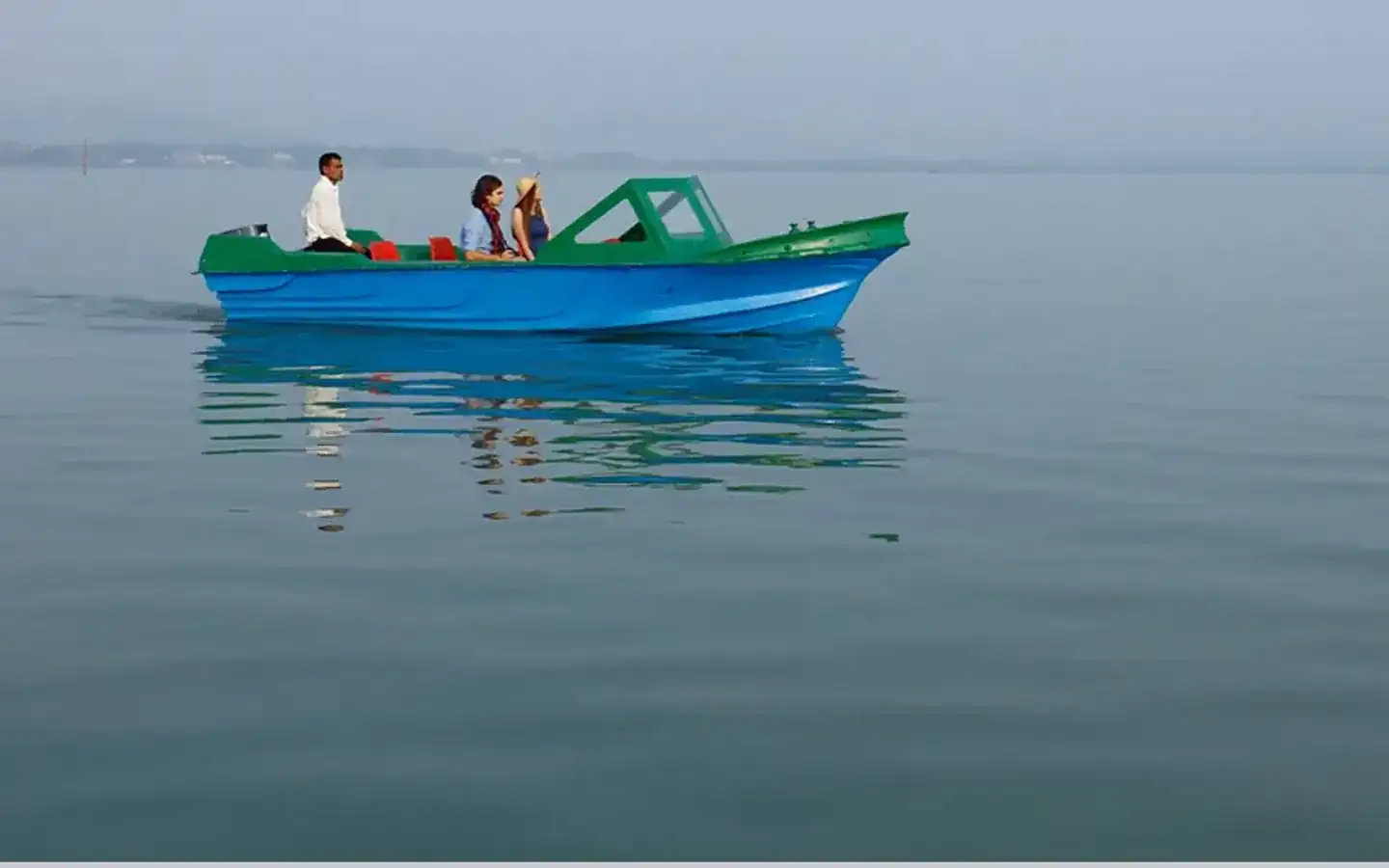
Unlike Satapada or Barkul where powerful outboard motors propel heavy tourist launches across deep water, Mangalajodi is a shallow, freshwater marsh choked with reed beds, lotus leaves, and submerged aquatic weeds. Motorized boats are strictly prohibited here to prevent water pollution, propeller trauma to birds, and acoustic disturbance. Instead, visitors board slender wooden country catamarans propelled by skilled boatmen using 15-foot bamboo poles.
As the boat glides soundlessly through narrow marsh channels, birds treat the vessel as an ordinary floating log. It is commonplace to drift within six to eight feet of feeding Purple Swamphens with their vibrant crimson bills, elegant Pheasant-tailed Jacanas balancing on lily pads, and flocks of thousands of Northern Pintails taking flight in synchronized waves against the morning sky. Standard boat trips last between two and three hours, offering ample time to study avian behavior at an unhurried, contemplative pace.
Odisha Travel Expert Insights / Part 03
Photography Gear Tips, Best Season and Road Travel Logistics
For wildlife photographers, Mangalajodi is arguably the premier bird-photography venue in India. To make the most of your session, a telephoto lens in the 300mm to 600mm focal range is ideal. Because hand-poled wooden boats gently sway with the boatman’s motion, tripods are impractical; instead, bring a sturdy monopod or a bean bag that can be rested on the wooden gunwale. Bring extra memory cards and spare batteries, as the sheer density of action often results in thousands of frames in a single morning.
Mangalajodi is located 70 kilometers from Puri. The drive takes roughly one hour and 45 minutes, heading west through Brahmagiri and Kanas to join the four-lane NH-16 highway at Tangi. We recommend scheduling a 5:00 AM pickup from your Puri hotel so that you arrive at the Mangalajodi ecotourism complex just as dawn breaks at 6:45 AM. Your PuriTaxi chauffeur will remain parked at the visitor center, keeping your secondary luggage secure and ensuring hot tea and a smooth return drive after your morning in the marshes.