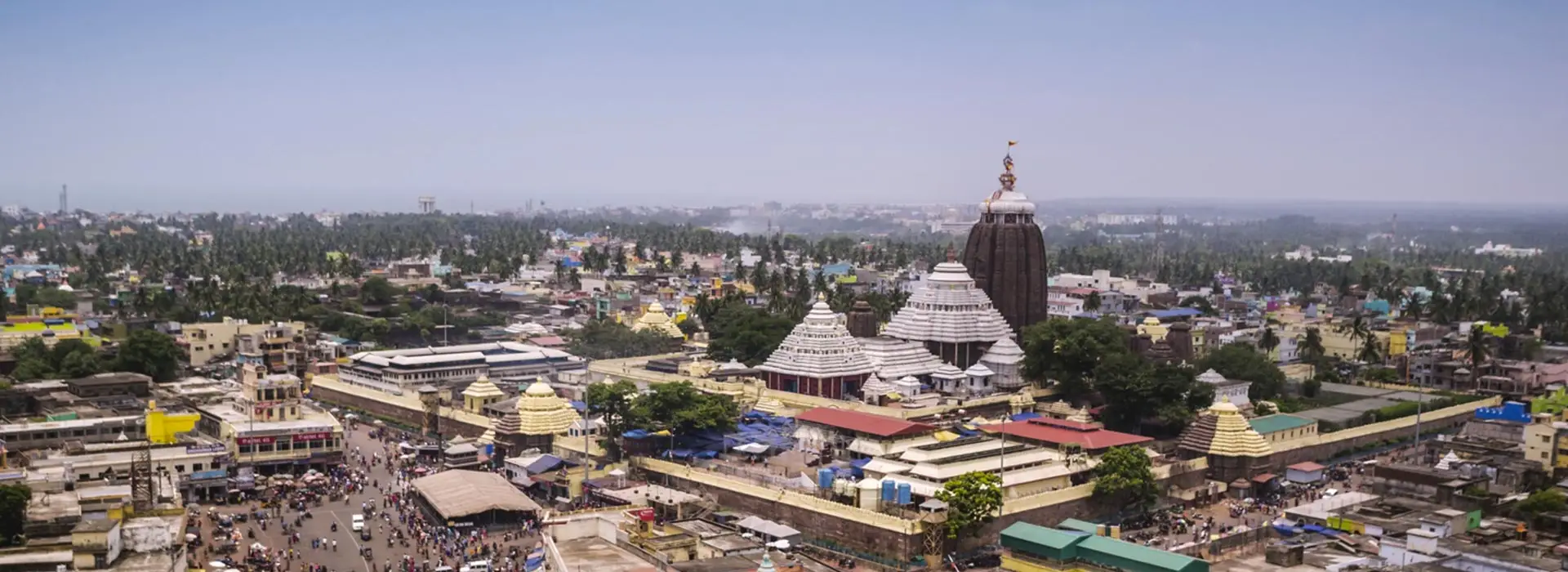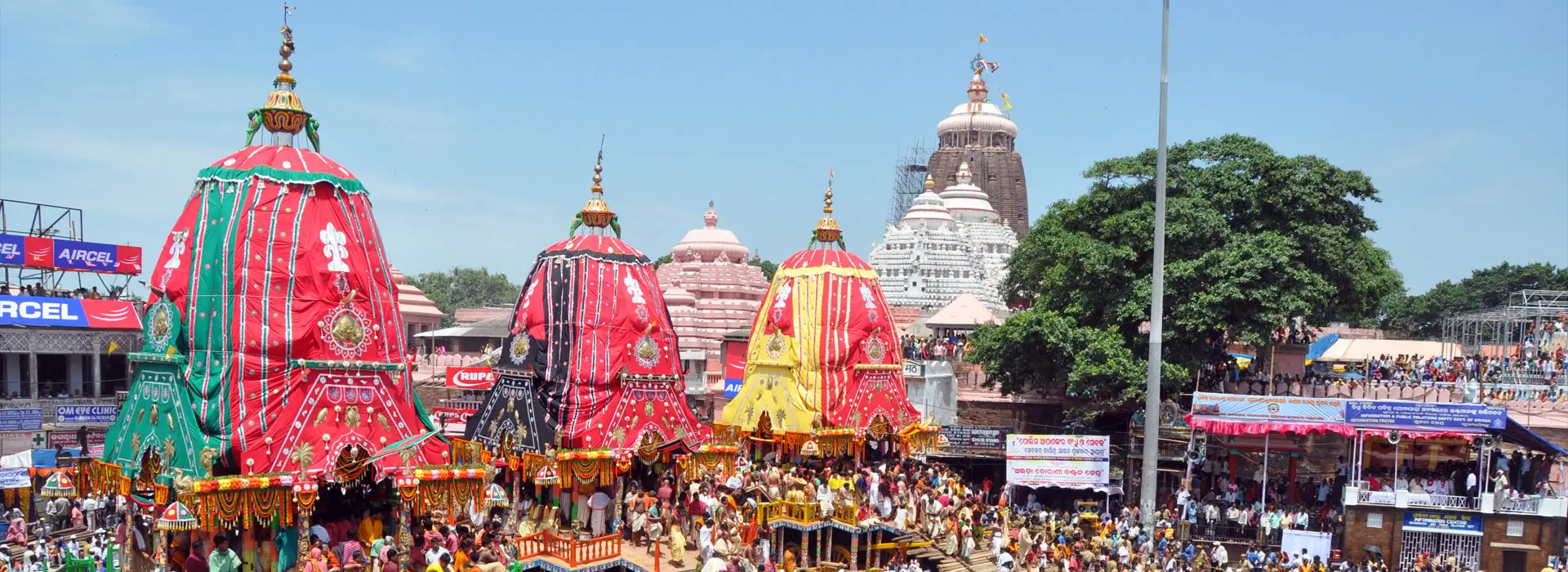
The Puri Rath Yatra, also known as the Jagannath Rath Yatra, stands as one of India's most ancient and magnificent religious celebrations. This sacred festival witnesses Lord Jagannath, his elder brother Balabhadra, and sister Subhadra embarking on their annual journey from the Jagannath Temple to the Gundicha Temple aboard three towering, hand-crafted chariots.
In 2026, this divine spectacle unfolded on Thursday, July 16, drawing millions of devotees from across the globe. The festival represents divine accessibility and the Lord's love for all beings.
Did You Know?
The Puri Rath Yatra has been celebrated for over 5,000 years. The English word "Juggernaut" (meaning an overwhelming force) derives from "Jagannath," reflecting the massive scale of this festival.
Need Taxi for Rath Yatra 2026?
If you are arriving by flight, train, hotel transfer or travelling with family/senior citizens, pre-plan your taxi early. During Rath Yatra, vehicle entry and drop points near Grand Road, Jagannath Temple and Gundicha Temple depend on police restrictions.
Rath Yatra 2026 date: 16 July 2026 Location: Puri, Odisha Main route: Jagannath Temple to Gundicha Temple via Bada Danda / Grand Road Major crowd period: Rath Yatra, Bahuda Yatra, Suna Besha period Best for travellers: arrive early, avoid tight same-day plans, confirm traffic rules before travel Taxi note: direct temple/Grand Road drop is not guaranteed during restrictions
Rath Yatra 2026 Travel Timeline
Before Rath Yatra
Focus on arrival planning, hotel check-in, and local movement before restrictions begin.
Rath Yatra Day (July 16)
Very high crowd levels. Expect restricted vehicle movement and walking requirements.
Stay Period at Gundicha Temple
Deities reside at Gundicha. Local movement is still crowded but more manageable than the main day.
Bahuda Yatra
Return chariot movement. High crowds return to the Grand Road.
Suna Besha
Massive crowds gather to see the golden attire. Advanced return planning is highly recommended.
After Festival
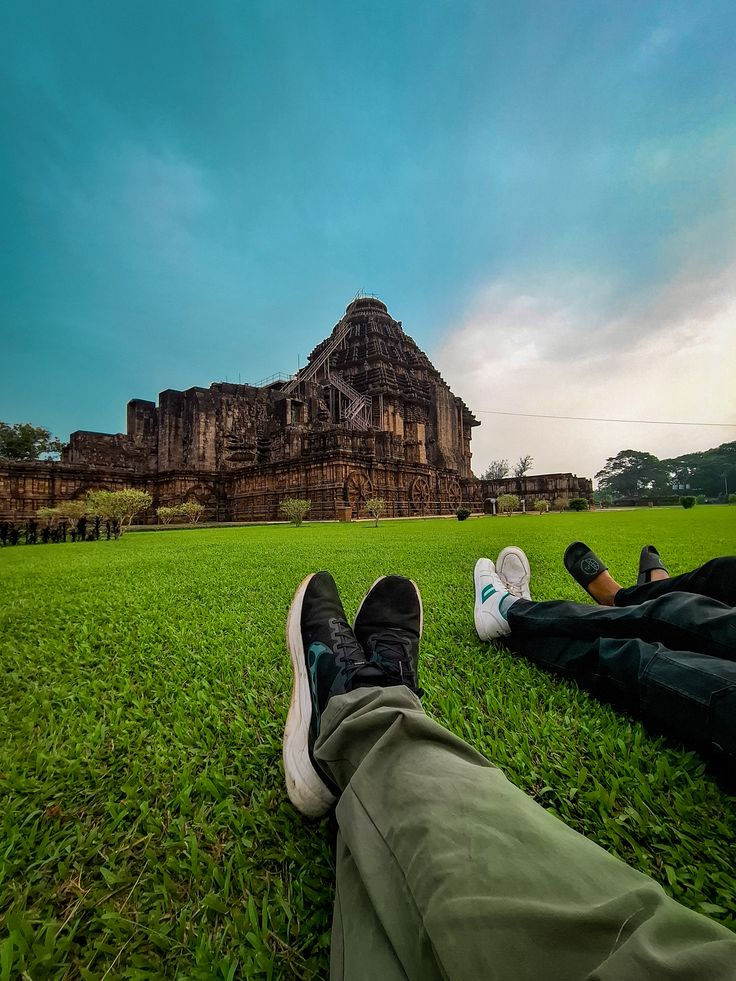
A better and calmer time for Konark, Chilika, and Puri local sightseeing.
Rath Yatra 2026: Complete Festival Calendar
The Rath Yatra festival spans nine sacred days. Plan your pilgrimage with this comprehensive schedule:
Rath Yatra (Main Procession)
The grand procession begins with Pahandi ritual at 7:00 AM. Chariot pulling starts around 2:00 PM. The three magnificent chariots are pulled by thousands of devotees along the 3-kilometer Grand Road.
Hera Panchami
Goddess Lakshmi visits Gundicha Temple in search of Lord Jagannath. This unique ritual symbolizes the playful divine relationship and the Lord's universal love.
Bahuda Yatra (Return Journey)
The return procession as deities journey back. The chariots stop at Mausi Maa Temple where deities are offered Poda Pitha (rice cake), their favorite prasad.
Second Peak DaySuna Besha (Golden Attire Ceremony)
The grand finale where deities are adorned with gold jewelry on their chariots. This spectacular evening ceremony attracts massive crowds.
Important: Suna Besha typically occurs around 5:00 PM. Arrive early to secure a good viewing position.
Planning Tip for 2026
While July 16 sees maximum crowds, visiting during Bahuda Yatra (July 24) or Suna Besha (July 25) offers equally divine experiences with better crowd management. Book accommodation and taxi 2-3 months in advance.
Bhubaneswar to Puri Drop
Hassle-free airport & railway station transfers starting from ₹1,300. Professional drivers, 24/7 availability, and transparent pricing.
How to Reach Puri for Rath Yatra
By Flight
The nearest airport is Bhubaneswar Airport. We strongly recommend a pre-booked taxi for airport to Puri transfers to avoid last-minute hassle.
Airport to Puri TaxiBy Train
Puri Railway Station is close to the main town, but the station area can be extremely crowded during Rath Yatra. Pre-book your hotel pickup.
Puri Railway Station TaxiBy Road
Bhubaneswar to Puri and Cuttack to Puri traffic may take significantly longer than normal due to diversions and heavy influx of vehicles.
Bhubaneswar to Puri TaxiBook Taxi for Rath Yatra Week
For airport pickup, railway station pickup, hotel transfer, return taxi, family vehicle or group Tempo Traveller, use the dedicated Rath Yatra taxi booking page.
Open Rath Yatra Taxi Booking PageThe Three Divine Chariots
Each year, master craftsmen construct three massive wooden chariots from scratch using sacred neem wood. Construction begins on Akshaya Tritiya and takes approximately two months, built entirely without nails using ancient techniques.
Nandighosha
Lord Jagannath
Taladhwaja
Lord Balabhadra
Darpadalana
Devi Subhadra
Fascinating Facts
Over 1,400 pieces of wood used to construct the three chariots annually Nearly 200 skilled craftsmen work for 58 days to complete construction Chariots are disassembled after the festival; wood is used in the temple kitchen
Traffic & Parking Guide
Complete Vehicle Ban
Grand Road (Bada Danda) and temple area completely closed to vehicular traffic from July 15 (6 PM) to July 17 (12 AM).
- Grand Road - entire 3 km stretch
- All roads to Jagannath Temple
- 1 km radius market area
Designated Parking Zones
| Parking Zone | Distance | Capacity | Best For |
|---|---|---|---|
| Talabania | 2.8 km | 500+ vehicles | Four-wheelers, buses |
| Malatipatapur | 3.2 km | 400+ vehicles | Private cars, taxis |
| Baseli Sahi | 2.5 km | 300 vehicles | Early arrivals |
| Railway Station | 3.5 km | 1000+ vehicles | Long-term parking |
Free Shuttle Buses
OSRTC operates free shuttles from parking zones every 15 minutes (6 AM - 10 PM)
Cycle Rickshaws
Available in designated lanes. Fares: ₹150 depending on distance
Walking Routes
Dedicated pedestrian corridors with rest stops every 500 meters
Rath Yatra Traffic, Parking and Taxi Drop Warning
During Rath Yatra, traffic restrictions are normal. Vehicle access near Jagannath Temple, Grand Road/Bada Danda and Gundicha Temple can be restricted. Taxi may be allowed only up to a designated point. The last stretch may require walking, shuttle, e-rickshaw or local police-managed movement. Always confirm latest advisory before travel. Puritaxi drivers will follow only legal allowed routes.
Rath Yatra Tips for Families and Senior Citizens
Avoid peak pushing zones if travelling with elderly people. Keep medicines, water, ID, light luggage handy at all times. Avoid tight return flight/train schedules due to unexpected delays. Keep hotel location and expected walking distance in mind. Use larger vehicles like Ertiga/Innova if travelling with seniors or luggage.
Recommended Vehicles
Arrive at least one day earlier if possible to settle in before crowds surge. Avoid same-day airport arrival if attending the main Rath Yatra crowd. Keep ample buffer time for your Bhubaneswar airport or train return journey. Pre-book your return taxi to avoid last-minute unavailability. Group vehicles and Tempo Travellers should be booked significantly earlier.
Taxi Booking Guide for Rath Yatra 2026
Planning transportation in advance is crucial. PuriTaxi offers specialized services during the festival with experienced drivers familiar with routes, parking zones, and local regulations.
Advance Booking
For future Rath Yatra travel, reserve 2-3 weeks ahead to secure your vehicle and get standard rates
Local Expertise
Drivers know all parking zones, routes, and optimal timings
24/7 Availability
Early morning pickups (3-4 AM) for Pahandi ritual available
*Normal travel time is 2 hours. During Rath Yatra, allow 4-5 hours due to traffic.
How to Book
Call or WhatsApp
Contact us at +91 93484 38989 to discuss your dates and vehicle preference
Confirm Details
Get quote, confirm pickup time (recommend 4 AM), receive booking confirmation via SMS/email
Booking Advisory for Future Rath Yatra Travel
- • Book at least 2-3 weeks in advance to secure your vehicle
- • Last-minute bookings during festival week can be harder to arrange
- • Consider round-trip packages for better rates
Safety & Health Tips
With millions gathering, following safety protocols ensures a blessed pilgrimage. Here's your complete guide.
Hydration is Critical
- • Drink 3-4 liters of water daily (July heat reaches 38°C)
- • Carry reusable bottles - refill stations available
- • Consume ORS packets if sweating heavily
Sun Protection
- • Wear wide-brimmed hats with cotton scarves
- • Apply SPF 50+ sunscreen every 2-3 hours
- • Light-colored, loose cotton clothing
Crowd Management
- • Avoid peak hours (12-3 PM) on main day
- • Stay with your group, designate meeting points
- • Keep children within sight always
Emergency Contacts
- • Puri Police: 06752-222943
- • Tourist Helpline: 1800-208-1414
- • Ambulance: 108
Essential Packing Checklist
- ? Valid ID proof
- ? Mobile + power bank
- ? Water bottle (1L minimum)
- ? Comfortable walking shoes
- ? Sunscreen (SPF 50+)
- ? Personal medications
- ? Hand sanitizer
- ? Light rain jacket
To truly appreciate the Rath Yatra, understanding its deep cultural roots and historical evolution enriches your pilgrimage experience manifold. This festival is not merely a religious procession but a living testament to centuries of devotion, artistic excellence, and social equality.
The Concept of the "Humanized" Deity
Lord Jagannath is unique among Hindu deities. Unlike other gods who remain fixed in their sanctums, Jagannath follows a biological rhythm: he bathes, falls sick after bathing (Anavasara), recovers, travels to his aunt's house (Gundicha Temple), and eventually returns home. This humanization makes the divine relatable and accessible.
The wooden idols are considered living embodiments, not mere representations. Every 12-19 years, they undergo "Navakalebara" - a ceremony where new wooden forms are carved and the soul (believed to be in a sacred object called Brahma Padartha) is transferred from the old idols to the new ones. This belief in the "living god" drives the immense devotion you'll witness during Rath Yatra.
Patitapavana - Savior of the Fallen
One of Jagannath's most celebrated epithets is "Patitapavana" - the savior of the fallen and downtrodden. While the main temple has entry restrictions (non-Hindus cannot enter), during Rath Yatra, Lord Jagannath comes out onto the streets, accessible to all regardless of caste, creed, religion, or nationality.
This radical inclusivity was revolutionary in ancient India's rigid caste system. During the procession, a Brahmin and an untouchable stand equal as they pull the same rope. This spirit of social equality is what makes Rath Yatra not just a religious festival but a social movement that has endured for over 900 years.
Historical Note: The concept of Jagannath worship significantly influenced the Bhakti movement in medieval India, promoting devotion over ritualism and character over birth.
The Architectural Marvel of Jagannath Temple
Built in 1161 CE by King Anantavarman Chodaganga Deva, the Jagannath Temple stands as one of India's most sacred Char Dham pilgrimage sites. The temple's main tower (Vimana) rises to 214 feet, topped by the Sudarshana Chakra (discus) made of an alloy called Ashtadhatu (eight metals), which can be seen from any part of Puri city.
Architectural mysteries surround the temple: The flag atop the temple flutters in the opposite direction of the wind, no bird or airplane flies above the temple dome, the temple casts no shadow at noon, and the sound of the sea increases inside the temple but disappears when you step outside the main gate. While some of these have scientific explanations, they add to the temple's mystique.
Sacred Kitchen: The temple kitchen is the world's largest, serving Mahaprasad to over 100,000 devotees daily using traditional wood-fired stoves. Interestingly, food is cooked in clay pots stacked in sets of seven, and the topmost pot cooks first - a phenomenon that defies conventional physics.
Accommodation planning is crucial for Rath Yatra as Puri's 40,000+ hotel rooms fill up months in advance. Prices surge 3-5x during the festival period. Here's your comprehensive guide to finding the perfect stay based on your budget and preferences.
Budget-Friendly Options (₹2,000/night)
Perfect for pilgrims focused on spiritual experience over luxury
Dharmashalas & Pilgrim Lodges
Traditional pilgrim accommodations near the temple. Basic amenities, shared facilities, authentic experience.
Best Area: Chakra Tirtha Road, Hospital Road
Economy Hotels
Basic hotels with attached bathrooms, fans/AC options, safe storage.
Best Area: CT Road, VIP Road, Marine Drive
Booking Tip: Book by March-April 2026. Expect basic amenities but clean, safe environment. Confirm distance from Grand Road and temple.
Mid-Range Comfort (₹2,500-5,000/night)
Balance of comfort, location, and value for families
3-Star Hotels
AC rooms, attached bathrooms, restaurant, room service, TV, WiFi, backup power.
Best Area: Puri Sea Beach, VIP Road, New Marine Drive Road
Guest Houses & B&Bs
Personalized service, home-cooked meals option, local insights, boutique experience.
Best Area: Swargadwar Road, Beach areas
Booking Tip: Book by February-March 2026. These offer best value - comfortable enough for families while being closer to attractions than luxury hotels.
Premium & Luxury (₹20,000/night)
Full-service comfort with top amenities and prime locations
4-comfortable Hotels
Luxury amenities, swimming pool, spa, multi-cuisine restaurants, concierge, valet parking, premium sea views.
Best Properties: Mayfair Heritage, Toshali Sands, Hans Coco Palms
Heritage Properties
Restored heritage buildings, colonial architecture, cultural ambiance, personalized luxury.
Best Properties: Mayfair Heritage, select boutique properties
Booking Tip: Book by December 2025-January 2026. These properties get booked earliest. Worth the premium for comfort after long festival days.
Strategic Accommodation Tips for Rath Yatra 2026
Location Priority: Stay within 2 km of Grand Road for easy access during processions
Minimum Stay: Book 3-4 nights minimum. Hotels require this during peak festival period
Power Backup: Essential feature - Puri can have power fluctuations during monsoon
Advance Payment: Be prepared for 50-100% advance payment requirement
Cancellation Policy: Read carefully - most hotels have strict no-refund policies for Rath Yatra period
Early Check-in: Negotiate early check-in (3-4 AM) for July 16 to reach Grand Road by dawn
Odisha Golden Triangle Tour
Short on time? Experience the spiritual essence of Puri, Konark, and Bhubaneswar in a single, perfectly planned day tour. All-inclusive fixed fare.
The Rath Yatra offers unparalleled photographic opportunities - from the towering chariots and ocean of devotees to intimate moments of devotion and architectural marvels. Here's your guide to capturing stunning images while respecting the sanctity of the event.
Best Photography Spots & Timings
Early Morning Magic
Golden hour shots of chariots being prepared, devotees gathering, and soft morning light on the temple spires.
Best: 5-7 AM on July 16Crowd Dynamics
Capture the energy of millions pulling ropes, synchronized chants of "Jai Jagannath", and devotional fervor.
Best: 11 AM-2 PM peak actionSuna Besha Spectacle
Over 208 kg of gold ornaments glittering in evening light. Most photogenic moment of the entire festival.
Best: 5-7 PM, July 25Architectural Details
Intricate chariot carvings, temple spires, and ancient stonework. Best during July 17-23 when crowds thin.
Best: Anytime during stay periodPhotography Ethics & Restrictions
Temple Interior Ban: Photography strictly prohibited inside Jagannath Temple. Security will confiscate equipment. Chariots Allowed: Photography of chariots on Grand Road is permitted and encouraged. No Drones: Drone photography banned for security reasons. Heavy fines if caught. Respect Privacy: Always ask permission for close-up portraits, especially of women and children.
Frequently Asked Questions
When is Puri Rath Yatra 2026?
Puri Rath Yatra 2026 will be celebrated on Thursday, 16 July 2026. The Bahuda Yatra (return journey) falls on 24 July, and the famous Suna Besha takes place on 25 July.
Where does Rath Yatra happen in Puri?
The Rath Yatra takes place on the Grand Road (Bada Danda) in Puri, Odisha. The three chariots are pulled from the main Jagannath Temple to the Gundicha Temple, which is about 3 km away.
How early should I reach Puri for Rath Yatra?
It is highly recommended to reach Puri at least one or two days before the main festival day. On the main day, the crowd is massive, and entering the city becomes very difficult due to traffic restrictions.
Can taxis go near Jagannath Temple during Rath Yatra?
No, direct access to the Jagannath Temple is restricted during the Rath Yatra period. Taxis and private vehicles are stopped at designated parking zones outside the main restricted area, and you will need to walk or use local shuttles.
Is Grand Road drop allowed for tourists during Rath Yatra 2026?
Direct drop at the Grand Road or temple gate is not guaranteed. Vehicle movement strictly depends on the local police restrictions and advisories issued during the festival. Puritaxi drivers will drop you as close as legally allowed.
How can I reach Puri from Bhubaneswar Airport for Rath Yatra?
The best way is to pre-book a Bhubaneswar Airport to Puri taxi. Booking in advance ensures you have a vehicle waiting upon arrival, as on-spot availability is very low during the festival.
Is Puri Railway Station crowded during Rath Yatra?
Yes, Puri Railway Station experiences extreme crowding during the festival. If you are arriving by train, ensure your Rath Yatra taxi booking is confirmed beforehand for a smooth hotel transfer.
Is Rath Yatra suitable for senior citizens?
Rath Yatra involves walking, massive crowds, and waiting. While devotion brings many, senior citizens should ideally travel with a companion, stay hydrated, and use comfortable, larger vehicles like an Innova for their travel.
What should families carry during Rath Yatra?
Families should carry light luggage, sufficient water, required medicines, valid ID proofs, umbrellas, and wear comfortable walking shoes. Avoid carrying heavy bags to the Grand Road.
Can I visit Konark or Chilika during Rath Yatra week?
Yes, visiting Konark or Chilika is possible, but we suggest planning these trips before or after the main festival days (like July 16, 24, and 25) when local traffic is slightly better.
Should I book a return taxi from Puri in advance during Rath Yatra?
Absolutely. Finding a taxi on the spot during the festival days is incredibly difficult. Pre-book your return taxi early to secure your departure.
Does Puritaxi provide VIP darshan or temple entry?
No, Puritaxi only provides transportation services. We do not offer or arrange VIP darshan, special temple entry, or any priority passes. Temple access is managed entirely by the temple administration.
Where can I book Rath Yatra taxi in Puri?
You can book your specialized festival cab directly through our Puri Rath Yatra taxi booking page or by contacting us on WhatsApp.
What happens if traffic routes change on the travel day?
Police advisories often change route maps for crowd control. Our experienced drivers will always follow the legally allowed routes and drop you at the nearest permitted point, prioritizing your safety and compliance with rules.
Ready for Your Pilgrimage?
Book your taxi now and experience a hassle-free journey to witness one of India's most magnificent religious festivals.
Available 24/7 • Advanced Booking Recommended • Trusted by 10,000+ Pilgrims